From what I have begun to learn about copyright and fair use, I, for the most part, agree with most aspects of it. What I really appreciate about copyright law is its effort to find balance. Of course creators should have the right control compensation and use of their work, but I am also a very strong proponent of public accessibility and the right to re-use something in new and creative ways as a means to express or educate. This is especially important to me because as a prospective English language arts teacher, there will undoubtedly be an abundance of resources used within my classroom, by both myself and my students. While I will certainly encourage my students to create original works and ideas, I also believe that re-envisioning or re-using somebody else's work in a new and creative way is not without its merits; not only does it still foster creativity, it also promotes critical thinking by encouraging students to look at things under multiple lenses.
This is where fair use and Creative Commons comes into play. Fair use is an exception to the copyright law that allows limited use of copyrighted material, without permission, based on four factors. As educators it's important that we study these factors and introduce them to our students so they can begin to understand and see the demarcation of their rights to re-use. Another wonderful way to get students thinking about copyright law and their use of sources, is to introduce them to Creative Commons and even have them licence one of their own projects with a CC license. Creative Commons is an awesome concept that allows free use works and promotes idea sharing while still paying recognition to the original creators. Making students aware of Creative Commons licensing furthers their copyright understanding and safety by opening their eyes to a whole new world of usable resources.
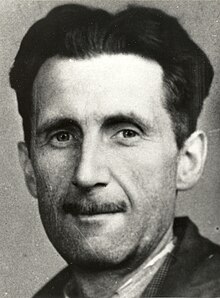
One thing that I am pondering about these issues of copyright and fair use, is how much I will realistically be able to teach my students about them. They are certainly important topics that need to be discussed, but how much time should be devoted to it? Our teacher introduced us to this great website that provides a curriculum for a unit on teaching copyright that looks like it could be fun, but it's composed of five 60 minute lesson plans, and I'm not sure that I could, nor should, spend five periods teaching it. I think I should definitely spend a little time with it and get them introduced to the basics as well as provide them with the materials to learn more about it on their own. I could also incorporate small activities into their assignments that get them thinking about copyright law. For instance, say we are reading the book 1984 by George Orwell. I could have the students find an image somewhere online that relates to the book in any way, and have them post it on the class blog with a brief statement defending its use and describing how they obtained it. As an example, I found this picture of George Orwell on Wikipedia and was able to use it because all images on Wikipedia are public domain and copyright free. This is just one idea to get students thinking about their sources and how they obtain them.

No comments:
Post a Comment